The Buyer Advantage No One Talks About: Longer Days on Market
If you’ve been house hunting for more than five minutes, you’ve likely developed a habit: you see a home that’s been on the market for 45, 60, or 90 days, and you immediately scroll past it. No showing, no second thought, just a quick internal assumption that “something must be wrong.”
But here’s the reality most buyers miss: homes that have been sitting on the market can actually be some of the best opportunities in the real estate world.
When everyone else is looking for what’s "shiny and new," savvy buyers are looking for the overlooked. Let’s break down why a higher "Days on Market" count might be your best negotiating tool.
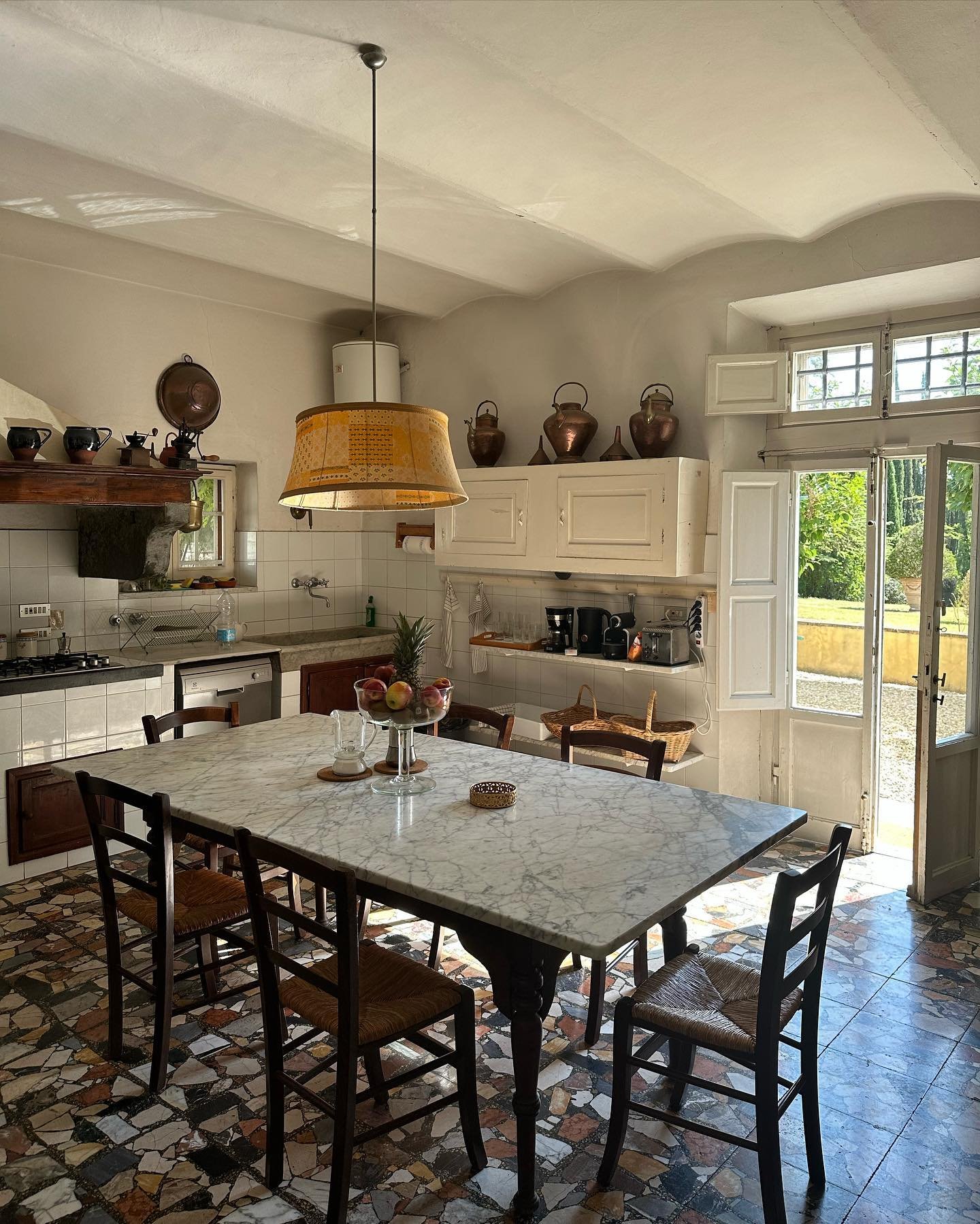
1. What does “Days on market” really mean?
“Days on market” (DOM) is a common metric that is frequently misunderstood. A high DOM does not automatically signal that something is wrong with the house.
Usually, a high DOM is the result of a fixable error, such as overpricing, poor timing, or a weak marketing strategy. However, it can also be a simple reflection of the neighborhood's natural market velocity, as some areas naturally move at a slower pace.
According to Opendoor, DOM often reflects these broader market dynamics, like interest rate shifts or seasonal lulls, rather than the physical condition of the property.
Translation: you may be looking at a solid home that simply had a rough start or is located in a lower-velocity market.
2. Less Competition Means More Negotiating Power
The primary challenge with a new listing is the high volume of initial interest. When a home first hits the market, it typically sees its highest concentration of foot traffic. As the days on market increase, that initial wave of interest naturally thins, which shifts the negotiating leverage back toward the buyer.
With fewer active competitors, you are in a stronger position to:
Negotiate Price: Submit an offer at a lower price without the risk of being outbid.
Secure Concessions: Sellers are frequently more open to providing credits for closing costs when they have been on the market for a longer period of time.
Request Repairs: Request credits or fixes following an inspection without the pressure of a backup offer.
Data from Zillow Learn supports this strategy, noting that homes with longer days on market are statistically more likely to sell below the asking price, particularly after a price reduction. This shift in market dynamics is exactly where buyers gain the most leverage.
3. The Real Reason Some Homes Don’t Sell Quickly
It is a common misconception that properties sit on the market because they are flawed. More often, the delay is caused by a poor initial strategy or local market velocity rather than an issue with the home itself. A home typically stays active for longer than average because it was:
Overpriced at launch: Sellers often price based on emotional value rather than market comparables.
Poorly marketed: This involves everything from the photos and digital presentation to how the home's value is communicated to the market.
Located in a low-velocity market: Every zip code has a different average pace. Some areas naturally have fewer active buyers, meaning a longer timeline is standard for the location.
Poorly presented: Visible clutter or deferred maintenance often distracts buyers from the actual value of the home.
None of these factors are permanent problems. Instead, they create a strategic opening for a buyer to acquire an asset that was simply positioned incorrectly or is located in a quieter market.
4. Look Beyond Cosmetic Flaws
Properties that linger on the market sometimes do so because of poor aesthetic choices that deter the average buyer. For a strategic buyer, features like dated paint colors, aging light fixtures, or neglected landscaping should be viewed as opportunities rather than obstacles. These surface-level issues often mask a home’s true potential and can lead to a lower purchase price.
As noted by Lynch Design & Build, simple cosmetic updates can significantly increase a property’s value. By looking past these easily correctable details, you can often secure a better deal on a home that others have overlooked.
The key is to focus on the elements that cannot be easily changed:
Location: The neighborhood and its long-term desirability.
Layout: The fundamental flow and functionality of the interior.
Structure: The integrity of the foundation, roof, and mechanical systems.
If these three pillars are sound, a "stale" listing is often just an undervalued asset waiting for minor cosmetic refinement.
5. Why Timing Works in Your Favor
A property’s time on the market often correlates with a seller's willingness to negotiate. While a new listing usually represents a seller testing the market, an older listing often signals a seller ready for a practical conversation.
According to The Mavins Group, buyers gain significant negotiating power when a property exceeds the local average days on market. This motivation can lead to flexibility beyond just the purchase price, including:
Closing timelines: Greater alignment with your specific moving schedule.
Inspection repairs: A higher likelihood of addressing maintenance items.
Financial credits: Potential assistance with closing costs or interest rate buy-downs.
By focusing on these properties, you are negotiating with a seller focused on a successful closing rather than one waiting for a better offer.
6. How to approach a home that’s been sitting
High-DOM properties require a calculated approach. While these listings offer significant potential, they should be evaluated with the same rigors as a new listing. To navigate these opportunities effectively, follow these strategic steps:
Analyze the price history: Look for recent reductions that indicate the seller has reached a more realistic valuation of the asset.
Compare local benchmarks: Ensure the current asking price aligns with actual closed sales in that specific neighborhood or zip code.
Prioritize the inspection: A professional home inspection is essential to confirm that the property's delay is due to aesthetics or market timing rather than structural liabilities.
Utilize an experienced agent: Work with a professional who understands how to frame an offer that addresses the seller’s specific needs while protecting your equity.
Execution is everything in these scenarios. A well-positioned offer on a property others have overlooked can lead to a superior investment.
The bottom Line: Don’t skip the opportunities Everyone else misses
It is common to prioritize the newest listings, as they generate the most attention and competition. However, significant real estate opportunities are often found by looking where others have stopped watching.
A high "Days on Market" count is not a reason to dismiss a property. Instead, it is an indicator of potential value, reduced competition, and increased seller flexibility. By looking past initial marketing errors or local market velocity, you can often secure a superior asset with more favorable terms.
The next time you encounter a listing that has been active for several months, do not immediately move on. It may be the exact opportunity the rest of the market has missed.